EPDM & TPO Roofing
Heat-welded TPO and synthetic EPDM single-ply membrane systems delivering monolithic watertight protection for flat roofs.
Engineered for Durability & Weather Protection
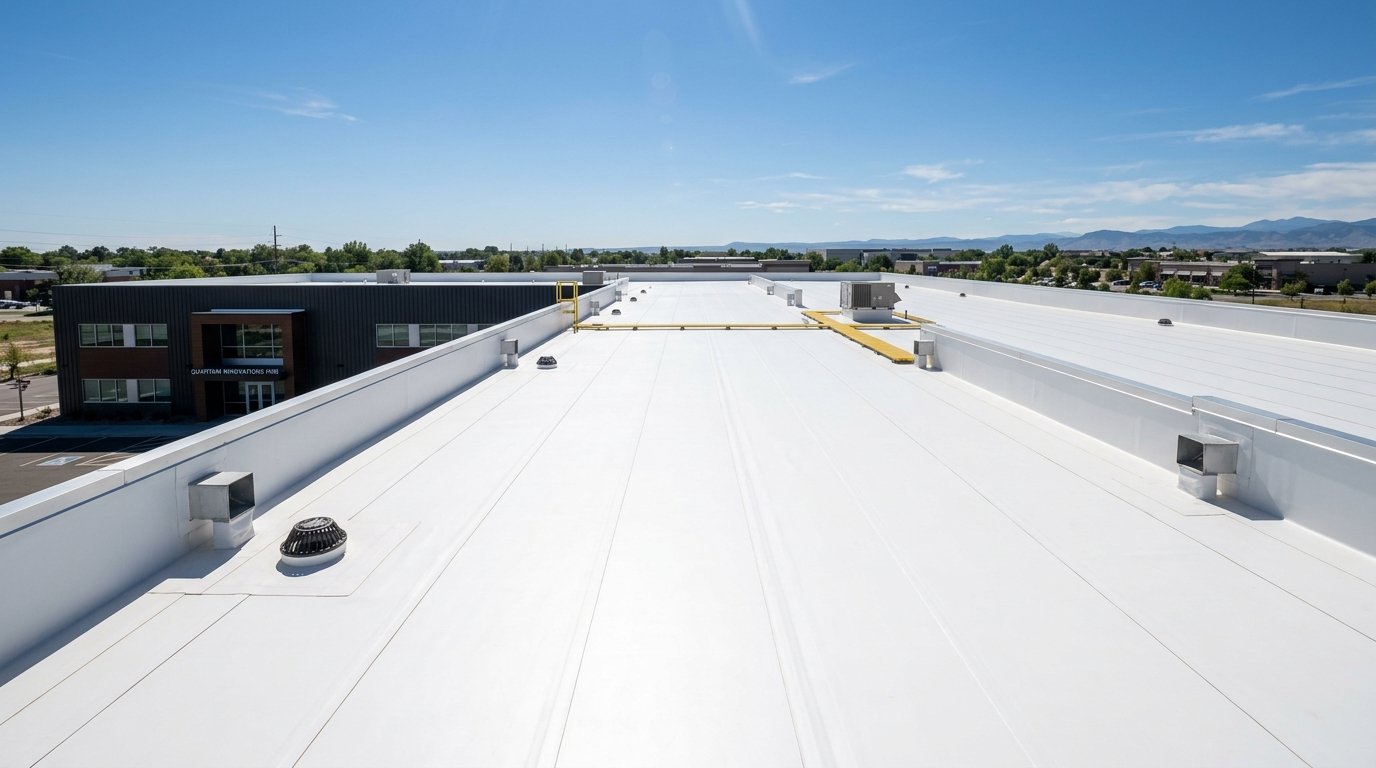
Flat and low-slope roofs require specialized monolithic waterproofing barriers capable of resisting continuous ponding water. We install both heat-welded TPO (Thermoplastic Polyolefin) for high solar reflectance and synthetic EPDM rubber for proven cold-weather elasticity and puncture resistance. We provide mechanically attached and fully adhered systems engineered to withstand intense thermal expansion cycles and harsh weather.
Key Service Benefits
- Engineered specifically for low-slope ponding water resistance and long-term waterproofing
- Robotic heat-welded TPO seams are 3x to 4x stronger than traditional adhesive seams
- Tapered insulation assemblies eliminate standing water and guide runoff directly to scuppers
- High chemical exposure resistance, puncture resilience, and exceptional thermal cycle durability
Comprehensive Solutions & Scope of Work
EPDM Membrane Roofing
Executed according to industry standards and manufacturer specifications.
TPO Membrane Roofing
Executed according to industry standards and manufacturer specifications.
Mechanically Attached Membrane Systems
Executed according to industry standards and manufacturer specifications.
Commercial Membrane Roofing
Executed according to industry standards and manufacturer specifications.
Industrial Membrane Roofing
Executed according to industry standards and manufacturer specifications.
Flat Roof Membrane Installation
Executed according to industry standards and manufacturer specifications.
Proven Architectural Components
Heat-Welded TPO Membrane
White thermoplastic polyolefin offering superior solar reflectivity, hot-air fused seams, and ozone resistance.
Synthetic EPDM Rubber Membrane
Ethylene propylene diene monomer rubber delivering exceptional cold-weather elasticity, UV resistance, and thermal cycle durability.
Mechanically Fastened Assemblies
Heavy-duty barbed stress plates and screws securing membrane sheets into structural metal or wood decks against severe wind uplift.
Tapered Polyisocyanurate Insulation
Factory-sloped rigid foam boards engineered to eliminate standing ponding water by channeling water directly toward scuppers.
Frequently Asked Questions
What is the primary difference between TPO and EPDM?
TPO is a white, heat-welded thermoplastic membrane that reflects solar heat and lowers cooling costs. EPDM is a synthetic black rubber known for extreme elasticity in severe sub-zero cold weather. We help you choose the best system based on your building's architecture and climate demands.
How are TPO seams bonded together?
TPO seams are hot-air welded using robotic automatic welders that fuse the top and bottom membrane sheets into a single, permanent monolithic piece.
Can single-ply membranes be installed directly over existing roofs?
Depending on local building codes and structural moisture conditions, recovery board and a single re-roofing layer may be permissible, saving on tear-off costs after thermal moisture scans.
What is the purpose of mechanically attached membrane systems?
Mechanically attached systems fasten the insulation and membrane sheets directly to the structural deck using heavy-duty stress plates, providing high wind-uplift performance and rapid installation.
